
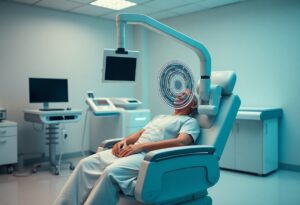





Most fascinating discoveries in science often lead to innovations that reshape our understanding of the world around us. In this article, you will explore the recent advancements and potential new applications of Transcranial Magnetic Stimulation (TMS), a cutting-edge technology with the ability to non-invasively stimulate the brain. Discover how TMS is revolutionizing fields like neuroscience, psychiatry, and even enhancing cognitive abilities. Prepare to expand your horizons and investigate into the exciting realm of TMS possibilities. Let’s begin on this journey together.
Key Takeaways:
- Exciting opportunities: Potential new applications of TMS in various fields such as psychiatry, neurology, and rehabilitation offer exciting opportunities for further research and development.
- Non-invasive alternative: TMS provides a non-invasive alternative for treating conditions like depression, chronic pain, and neurological disorders, making it a promising option for patients who may not respond well to traditional treatments.
- Customized treatment: With advancements in TMS technology, there is potential for personalized and targeted treatment plans that can be tailored to individual patient needs, leading to more effective outcomes and improved quality of life.
Historical Background of TMS
Development of TMS Technology
A breakthrough in neuroscience, Transcranial Magnetic Stimulation (TMS) has a rich history that dates back several decades. Technology plays a crucial role in TMS, as it involves the use of electromagnetic induction to generate precise electrical currents in the brain. This technology has evolved significantly over time, allowing researchers to target specific areas of the brain with remarkable accuracy.
Early Applications of TMS
Any exploration into the historical background of TMS reveals the early applications of this innovative technique. Utilized initially for mapping cortical functions and studying motor pathways in the brain, TMS quickly gained recognition for its potential in treating various neurological and psychiatric disorders. As researchers researchd deeper, they uncovered the vast potential of TMS in modulating brain activity and influencing cognitive processes.
Early investigations into the applications of TMS laid the foundation for its current widespread use in both research and clinical settings. Your curiosity about the progression of TMS applications will unveil a fascinating journey of discovery and innovation in neuroscience.
Current State of TMS Research
Advances in TMS Techniques
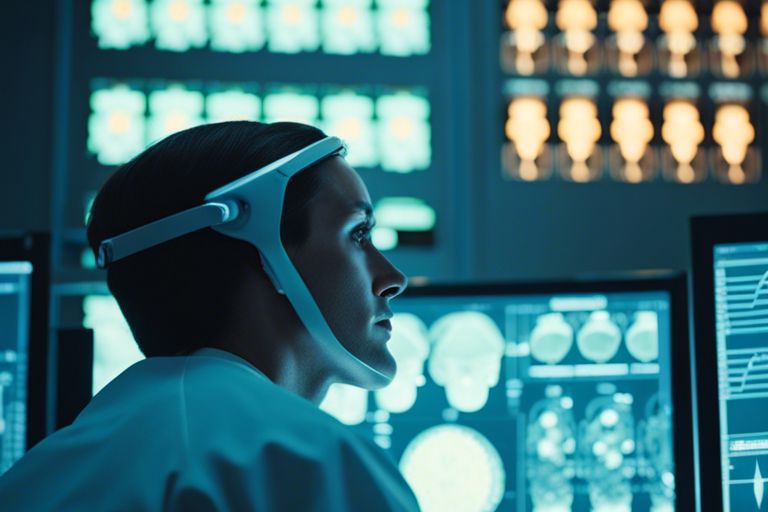
One of the exciting aspects of transcranial magnetic stimulation (TMS) research is the continual advancements in TMS techniques. With the development of navigated TMS, researchers can now precisely target specific areas of the brain with improved accuracy. This allows for more effective stimulation of the desired neural circuits, leading to better outcomes in both research and clinical settings.
Recent Breakthroughs in TMS Applications
On the forefront of TMS research are recent breakthroughs in applications beyond traditional neuropsychiatric disorders. Researchers have been exploring the potential of TMS in enhancing cognitive functions such as memory, attention, and decision-making. These exciting findings open up new possibilities for using TMS in cognitive enhancement, rehabilitation, and even performance optimization.
Research into the effects of TMS on various cognitive and motor functions is expanding rapidly, with promising results indicating the potential for TMS to impact a wider range of brain functions than previously thought. As scientists explore deeper into understanding the mechanisms behind TMS-induced changes in neural activity, the future applications of this technology seem boundless.
Potential Therapeutic Applications
Many potential therapeutic applications of Transcranial Magnetic Stimulation (TMS) are currently being explored, showing promise in various medical fields. TMS has the potential to revolutionize the treatment of neurological disorders, chronic pain management, and enhancement of cognitive function.
Treatment of Neurological Disorders
An exciting area of research is the use of TMS in the treatment of neurological disorders such as depression, anxiety, and Parkinson’s disease. Studies have shown that TMS can modulate neural activity in specific areas of the brain, offering a non-invasive and targeted approach to treating these conditions. As research in this field progresses, TMS could become a valuable tool in the management of various neurological disorders.
Management of Chronic Pain
Potential new applications of TMS also include the management of chronic pain. TMS has shown promising results in providing relief for conditions like fibromyalgia and neuropathic pain. By targeting specific areas of the brain involved in processing pain signals, TMS offers a non-pharmacological and potentially effective treatment option for individuals suffering from chronic pain.
Furthermore, TMS may offer a safer alternative to long-term opioid use, which is associated with various side effects and the risk of dependence. As research in this area continues, TMS could emerge as a valuable tool in the multidisciplinary approach to managing chronic pain.
Enhancement of Cognitive Function
Applications of TMS extend to the enhancement of cognitive function, with studies exploring its potential in improving memory, attention, and executive functions. By modulating neural activity in specific brain regions, TMS has shown promise in enhancing cognitive abilities in both healthy individuals and those with cognitive impairments.
Any potential new applications of TMS in cognitive enhancement raise ethical considerations regarding the use of this technology to improve cognitive performance. As research in this field advances, it will be important to carefully consider the implications of using TMS for enhancing cognitive function in various populations.
Non-Therapeutic Applications of TMS
Neurostimulation in Sports Performance
To enhance sports performance, researchers are exploring the use of Transcranial Magnetic Stimulation (TMS) to stimulate specific areas of the brain involved in motor control and skill acquisition. By targeting these regions, TMS could potentially improve reaction times, coordination, and overall athletic ability. Imagine the possibilities of using TMS to fine-tune your muscle memory for that perfect golf swing or to boost your focus and endurance during a grueling marathon.
Enhancement of Creativity and Productivity
Performance artists, musicians, writers, and professionals in creative fields are intrigued by the idea of using TMS to unlock new levels of creativity and productivity. By modulating brain activity in regions associated with creative thinking, TMS could help you break through mental blocks, generate innovative ideas, and enhance your overall output. The thought of tapping into this potential with a non-invasive technique like TMS may revolutionize how we approach creativity-driven tasks.
The creative mind is a powerful tool, and by harnessing the potential of TMS, you could explore new avenues of inspiration and achieve heightened levels of productivity in your artistic or professional endeavors. Imagine a world where you can effortlessly access your creative flow whenever needed, thanks to the precise neurostimulation of TMS.
Potential Uses in Education and Learning
With the potential for enhancing cognitive processes, TMS may find a valuable place in education and learning. Imagine a classroom where students can receive targeted brain stimulation to improve focus, memory consolidation, and learning efficiency. By fine-tuning brain activity in regions responsible for information processing and retention, TMS could potentially aid in accelerating the learning curve and fostering a deeper understanding of complex subjects.
With the power of TMS, educators could revolutionize traditional teaching methods by tapping into the brain’s neuroplasticity to enhance learning outcomes. Imagine a future where students can optimize their cognitive abilities through targeted neurostimulation, paving the way for a more effective and engaging educational experience.
Safety and Ethical Considerations
Risks and Side Effects of TMS
Not considering the safety aspects of Transcranial Magnetic Stimulation (TMS) would be remiss. When exploring the potential new applications of TMS, it’s crucial to be aware of the risks and side effects involved. According to a study published in Nature, common side effects of TMS include mild headache, scalp discomfort, and muscle twitching during stimulation. These effects are usually transient and mild, but it’s necessary to monitor them closely. In rare cases, TMS may lead to seizures, particularly in individuals with a history of seizures or who are predisposed to them.
Ethical Implications of TMS Use
An important aspect to consider in TMS applications is the ethical implications of its use. As you research into the possibilities of TMS for various purposes, ethical questions may arise regarding the manipulation of neural activity and potential unintended consequences. It’s crucial to consider factors such as consent, privacy, and the impact of altering brain function on individual autonomy and societal norms. Ethical considerations are paramount when exploring the frontiers of TMS applications.
Ethical dilemmas can emerge when using TMS to modulate cognitive functions or emotional states. As you navigate the ethical landscape of TMS applications, keep in mind the importance of transparency, informed consent, and the potential for unforeseen ethical challenges. Striking a balance between innovation and ethical responsibility is key to the responsible advancement of TMS technologies.
Future Directions and Challenges
Overcoming Technical Limitations
Challenges related to the technical aspects of TMS, such as improving the spatial resolution and depth of penetration, remain to be addressed. After all, these limitations can impact the effectiveness of TMS in targeting specific brain regions accurately. Researchers are continually exploring novel approaches, such as multi-coil arrays and neuronavigation systems, to enhance the precision and reliability of TMS delivery.
Addressing Regulatory Hurdles
Challenges in navigating the regulatory landscape for TMS devices can hinder the development and adoption of new applications. An increasing emphasis on ensuring safety and efficacy necessitates stringent regulatory approval processes. You need to streamline and harmonize these regulations to foster innovation while upholding patient safety.
Regulatory bodies worldwide must collaborate with researchers and industry partners to establish clear guidelines and standards for evaluating the safety and efficacy of emerging TMS applications. An international consensus on regulatory frameworks could facilitate the introduction of new TMS technologies into clinical practice, benefiting patients and advancing neuroscience research.
Expanding TMS Research and Development
Directions for future research in TMS involve expanding its application beyond neuropsychiatric disorders to other areas such as neurorehabilitation, cognitive enhancement, and biomarker discovery. As the field continues to evolve, you play a crucial role in supporting interdisciplinary collaborations and funding initiatives to drive innovation in TMS technology and treatment protocols.
Hurdles related to securing funding for TMS research, recruiting participants for large-scale clinical trials, and standardizing treatment protocols across different clinical settings need to be addressed. By fostering a collaborative and inclusive research environment, you can overcome these challenges and propel TMS towards achieving its full potential in healthcare.
Summing up
Considering all points discussed in this article on potential new applications of TMS, it is clear that this innovative technology holds great promise for a wide range of fields. By stimulating specific areas of the brain, TMS opens up avenues for research in treating mental health disorders, enhancing cognitive functions, and even exploring new forms of therapy.
With ongoing advancements in TMS technology and the increasing interest in its applications, the future looks bright for harnessing the power of magnetic fields to unlock the mysteries of the mind. As you research deeper into the possibilities of TMS, you may find yourself at the forefront of groundbreaking discoveries that could revolutionize the way we understand and interact with the brain.
FAQ
Q: What are some potential new applications of TMS?
A: Some potential new applications of Transcranial Magnetic Stimulation (TMS) include treating post-traumatic stress disorder (PTSD), obsessive-compulsive disorder (OCD), and chronic pain. TMS is also being explored for use in enhancing cognitive abilities and memory.
Q: Is TMS effective for treating depression?
A: Yes, TMS has been FDA-approved for the treatment of major depressive disorder that hasn’t responded well to other treatments. It has shown promising results in improving symptoms of depression and is considered a safe and non-invasive treatment option.
Q: Are there any risks or side effects associated with TMS?
A: While TMS is generally considered safe, some potential side effects may include temporary headaches, scalp discomfort, and muscle twitches. Rarely, seizures may occur, but this is extremely uncommon. It’s important to discuss any potential risks with your healthcare provider before undergoing TMS treatment.