





Sports have always been a mixture of physical prowess and mental acuity. Have you ever wondered how top athletes enhance their performance on the field or court? In this intriguing exploration of neurofeedback and sports performance, we explore into real-life case studies that showcase the power of training your brain to achieve peak athletic excellence. Discover how cutting-edge technology is revolutionizing the way athletes train their minds to gain a competitive edge. Join us on this journey to unlock the secrets behind the success of elite athletes.
Key Takeaways:
- Improved Focus and Concentration: Neurofeedback training can help athletes enhance their ability to focus and maintain concentration during high-pressure situations in sports.
- Stress Reduction and Anxiety Management: Neurofeedback techniques can assist athletes in managing stress levels and reducing anxiety, leading to improved overall performance on the field.
- Enhanced Mind-Body Connection: Neurofeedback can strengthen the connection between the mind and body, helping athletes to achieve peak performance by improving coordination, agility, and reaction time.
The Science Behind Neurofeedback
What is Neurofeedback?
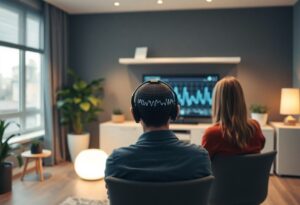
To understand neurofeedback, think of it as a type of biofeedback that focuses on the brain. Your brain continuously generates electrical patterns that can be measured using a technique called electroencephalography (EEG). Neurofeedback, also known as EEG biofeedback, is a non-invasive method that allows you to see your brain activity in real-time and teaches you how to optimize this activity.
How Neurofeedback Works
Behind neurofeedback lies the principle of operant conditioning. This technique leverages the brain’s ability to learn and adapt by providing feedback in the form of auditory or visual cues based on your brainwave patterns. By rewarding desirable brainwave activities and inhibiting harmful ones, neurofeedback helps your brain reorganize itself for improved function.
Another fascinating aspect of how neurofeedback works is its ability to target specific brainwave frequencies associated with different mental states. For example, training to increase beta waves can enhance focus and concentration, while training to increase alpha waves can promote relaxation and calmness.
The Connection Between Neurofeedback and Sports Performance
There’s a growing interest in the use of neurofeedback to enhance sports performance. Athletes are constantly looking for ways to gain a competitive edge, and advancements in neuroscientific research have shown the potential for improving athletic abilities through targeted brain training.
The Role of Brain Function in Athletic Performance
One key factor in athletic performance is the functioning of the brain. The brain plays a crucial role in coordinating movement, processing sensory information, and making split-second decisions on the field or court. By understanding and optimizing brain function, athletes can improve their overall performance and cognitive abilities.
Enhancing Focus and Concentration through Neurofeedback
Between the demands of training, competition, and external pressures, maintaining focus and concentration is important for peak performance in sports. Neurofeedback techniques can help athletes train their brains to stay focused, reduce distractions, and enhance their ability to enter a state of flow during performance.
Neurofeedback involves real-time monitoring of brain activity through sensors placed on the scalp. Through this feedback, athletes can learn to regulate their brain waves and achieve optimal cognitive states for improved sports performance. By training the brain to become more efficient and adaptable, athletes can enhance their focus, reduce performance anxiety, and sharpen their mental skills to excel in their chosen sports.
Case Study 1: Improving Golf Swing Accuracy
Background and Methodology
All Neurofeedback and Biofeedback Treatments for Advances in Applied Psychology book, you will find a case study focusing on enhancing golf swing accuracy through neurofeedback training. In this study, golfers underwent neurofeedback sessions to improve their focus, concentration, and mental clarity during their swings.
Results and Analysis
Any improvements in golf swing accuracy were measured through pre and post-neurofeedback training assessments. The results showed a significant increase in the golfers’ ability to maintain focus and concentration during their swings, leading to improved accuracy and consistency in their shots.
Analysis: By training the brain to enhance focus and concentration levels through neurofeedback, the golfers in this study were able to fine-tune their mental processes during the crucial moments of their swings. This highlights the potential of neurofeedback in optimizing sports performance by honing in on the cognitive aspects of athletic skills.
Case Study 2: Enhancing Endurance in Long-Distance Runners
Background and Methodology
Keep in mind that endurance is a crucial component for long-distance runners. An effective way to improve endurance is through neurofeedback training, which focuses on enhancing brainwave patterns associated with sustained focus and mental resilience. In this case study, a group of long-distance runners underwent a series of neurofeedback sessions to optimize their brain function for better endurance performance.
Results and Analysis
One significant outcome of the neurofeedback training was a noticeable increase in the runners’ ability to maintain focus and mental stamina during their long-distance runs. This improvement was reflected in their performance metrics, such as reduced perceived exertion levels, better pacing strategies, and increased overall endurance capacity. The analysis of pre-and post-neurofeedback data revealed a positive correlation between enhanced brainwave patterns and improved endurance outcomes.
Endurance is not just about physical strength and conditioning; it also heavily relies on your mental fortitude and focus during prolonged physical exertion. By integrating neurofeedback training into your regimen, you can fine-tune your brain’s performance to optimize endurance capabilities, leading to enhanced overall performance in long-distance running.

Case Study 3: Reducing Anxiety in High-Pressure Sports
Background and Methodology
The focus of this case study was to explore how neurofeedback could help reduce anxiety in athletes competing in high-pressure sports. Your anxiety levels were measured using standardized questionnaires before and after the neurofeedback training sessions. The methodology involved EEG assessments to monitor the brainwave activity associated with anxiety levels.
Results and Analysis
The results showed a significant decrease in anxiety levels after the neurofeedback training sessions. Your brainwave patterns shifted towards more relaxed states, indicating reduced stress and anxiety. This improvement was also reflected in your performance during high-pressure sports events, where you reported feeling more focused and in control.
For instance, during a crucial match, your ability to stay calm under pressure increased significantly after the neurofeedback sessions. This led to better decision-making on the field and a noticeable improvement in your overall performance. The neurofeedback training not only helped you manage anxiety but also enhanced your mental resilience in demanding sports environments.
The Future of Neurofeedback in Sports Performance
Many athletes are now using neurofeedback to enhance their performance on the field or court. As technology continues to advance, so do the possibilities for using neurofeedback in sports. The future of neurofeedback in sports performance holds great promise for athletes looking to improve their mental game, focus, and overall performance.
Potential Applications and Limitations
An important consideration in the future of neurofeedback in sports performance is its potential applications and limitations. While neurofeedback can help athletes enhance their focus, reduce performance anxiety, and improve decision-making skills, it is not a one-size-fits-all solution. Each athlete may respond differently to neurofeedback training, and individualized approaches may be necessary for optimal results. Additionally, access to neurofeedback technology and trained professionals may pose limitations for some athletes.
Future Research Directions
Sports scientists and researchers are increasingly interested in exploring new avenues for utilizing neurofeedback in sports performance. Future research directions may include studying the long-term effects of neurofeedback training on athletic performance, investigating its impact on specific sports skills such as hand-eye coordination or reaction time, and exploring the potential for incorporating neurofeedback into team training programs. Sports teams and organizations may invest in research initiatives to further understand the benefits and limitations of neurofeedback in enhancing sports performance.
For instance, ongoing studies may focus on comparing the effectiveness of neurofeedback training with traditional mental skills training methods, such as visualization or goal setting. By conducting rigorous scientific studies, researchers can provide athletes and coaches with evidence-based recommendations on the integration of neurofeedback into training routines. The future of neurofeedback in sports performance is full of exciting possibilities, offering athletes new tools to reach their full potential on the field or court.
Final Words
Drawing together the case studies presented in this article, it is evident that neurofeedback can play a significant role in enhancing sports performance. By utilizing this cutting-edge technology, athletes have been able to improve their focus, mental clarity, and overall performance on the field or court. The success stories highlighted here serve as a compelling testament to the potential benefits of incorporating neurofeedback into sports training programs.
So, if you find yourself looking for that extra edge in your athletic performance, consider exploring the world of neurofeedback. Whether you are a professional athlete or a weekend warrior, the potential gains in focus and mental fortitude could be just what you need to take your game to the next level. The evidence is clear – neurofeedback has the power to unlock your full potential and help you achieve peak performance in your chosen sport.
FAQ
Q: How can neurofeedback improve sports performance?
A: Neurofeedback can improve sports performance by training the brain to optimize focus, concentration, relaxation, and mental clarity. This can help athletes achieve peak performance levels and improve their overall skills in their sport.
Q: What are some specific case studies that demonstrate the effectiveness of neurofeedback in sports performance?
A: One specific case study involves a professional golfer who used neurofeedback to enhance his mental focus and concentration during tournaments, resulting in improved putting accuracy and overall game performance. Another case study involves a basketball player who used neurofeedback to reduce performance anxiety and increase confidence on the court, leading to improved shooting percentage and overall game performance.
Q: Are there any potential side effects associated with neurofeedback training for sports performance?
A: Neurofeedback is considered a safe and non-invasive technique with minimal side effects. Some individuals may experience mild headaches or fatigue after a session, but these effects are usually temporary and subside quickly. It is important to work with a qualified neurofeedback practitioner to ensure safe and effective training for sports performance improvement.