
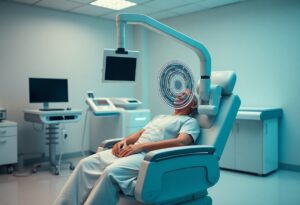





Most individuals grappling with anxiety disorders seek effective treatment options to alleviate their symptoms and improve their quality of life. In this informative blog post, you will explore the fascinating world of Transcranial Magnetic Stimulation (TMS) as a potential therapeutic intervention for anxiety disorders. Let’s examine into the findings of recent clinical studies and discover how TMS could offer hope and relief to those struggling with anxiety.
Key Takeaways:
- TMS shows promise for treating anxiety disorders: Clinical studies have shown that Transcranial Magnetic Stimulation (TMS) can be an effective treatment for anxiety disorders.
- Non-invasive and relatively safe: TMS is a non-invasive procedure with low risk of side effects, making it a potentially attractive option for patients with anxiety disorders.
- Potential for personalized treatment: Researchers are exploring the possibility of personalized TMS protocols to optimize the outcomes for individuals with different types of anxiety disorders.
Background of TMS Therapy
While exploring treatment options for anxiety disorders, you may come across repetitive transcranial magnetic stimulation (rTMS) as a promising therapy. According to a study published in the International Journal of Neuropsychopharmacology, rTMS has shown efficacy in treating generalized anxiety disorder (Repetitive Transcranial Magnetic Stimulation for Generalized Anxiety Disorder: A Pilot Randomized, Double-Blind, Sham-Controlled Trial).
History of TMS Development
To understand the background of transcranial magnetic stimulation (TMS) therapy, you need to explore into its development. TMS was first introduced in the mid-1980s as a non-invasive technique to stimulate the brain. Over the years, researchers refined TMS technology, leading to the development of rTMS, a therapeutic intervention involving repeated magnetic pulses to specific brain regions.
Mechanism of TMS in Brain Stimulation
Brain stimulation through TMS involves the use of magnetic fields to induce electrical currents in targeted areas of the brain. This modulation of neuronal activity is thought to affect neurotransmitter levels and enhance connectivity within neural circuits associated with anxiety regulation.
Anxiety Disorders and TMS
Prevalence of Anxiety Disorders
Assuming you are familiar with anxiety disorders, you may already know that they are among the most common mental health conditions worldwide. In fact, anxiety disorders affect millions of people, impacting their everyday life and overall well-being. These disorders can manifest in various forms, such as generalized anxiety disorder, panic disorder, social anxiety disorder, and others.
Current Treatment Options for Anxiety Disorders
Options for managing anxiety disorders typically include a combination of therapy, medication, and lifestyle modifications. Therapy, such as cognitive-behavioral therapy (CBT), can be effective in helping you understand and cope with your anxiety symptoms. Medications like selective serotonin reuptake inhibitors (SSRIs) or benzodiazepines may also be prescribed to alleviate symptoms.
Disorders such as anxiety can be challenging to treat, as not all individuals respond well to traditional therapies or medications. This variability in treatment outcomes has led researchers to explore alternative approaches, such as transcranial magnetic stimulation (TMS), as a potential option for individuals with anxiety disorders who have not found relief with conventional treatments.
Rationale for Using TMS in Anxiety Treatment
Anxiety disorders are complex conditions that involve dysregulation in the brain’s neural circuits responsible for processing emotions and stress responses. TMS is a non-invasive technique that can modulate these circuits by targeting specific regions of the brain involved in regulating mood and anxiety. Research suggests that TMS may help normalize brain activity patterns in individuals with anxiety disorders, offering a novel therapeutic approach for those who do not respond to traditional treatments.
Treatment with TMS for anxiety disorders holds promise as a potentially effective and well-tolerated intervention. By targeting the neural circuits implicated in anxiety, TMS may offer a new avenue for individuals struggling with these debilitating conditions to find relief and improve their quality of life.
Clinical Studies on TMS for Anxiety Disorders
Early Studies on TMS for Anxiety
All clinical studies on transcranial magnetic stimulation (TMS) for anxiety disorders have shown promising results. Early studies looking at the use of TMS for anxiety focused on its potential to modulate neural activity in areas of the brain associated with anxiety, such as the amygdala and prefrontal cortex. These studies demonstrated that TMS could help regulate the overactivity seen in these regions, leading to a reduction in anxiety symptoms.
Recent Breakthroughs in TMS Research for Anxiety
Recent breakthroughs in TMS research for anxiety disorders have further solidified its role as a potential treatment option. Studies have shown that TMS can not only reduce symptoms of anxiety but also improve overall quality of life for individuals suffering from these disorders. Researchers have been exploring different TMS protocols, such as intermittent theta burst stimulation (iTBS), to optimize treatment outcomes and tailor them to individual needs.
Clinical studies on the use of TMS for anxiety disorders have demonstrated its efficacy and potential as a non-invasive treatment option. TMS is well-tolerated and does not have the systemic side effects associated with medications, making it a desirable choice for many individuals seeking relief from anxiety symptoms.
Meta-Analyses of TMS Studies for Anxiety Disorders
On the other hand, meta-analyses of TMS studies for anxiety disorders have provided further support for its effectiveness. These analyses have pooled data from multiple studies to evaluate the overall impact of TMS on anxiety symptoms. The findings suggest that TMS can lead to significant reductions in anxiety severity, making it a compelling treatment option for individuals struggling with these disorders.
For instance, meta-analyses have shown that repetitive TMS over the dorsolateral prefrontal cortex can result in long-lasting improvements in anxiety symptoms. These findings have important implications for the potential use of TMS as a targeted and effective intervention for individuals with anxiety disorders.
Efficacy of TMS in Anxiety Treatment
Response Rates and Remission Rates
To understand the efficacy of Transcranial Magnetic Stimulation (TMS) in treating anxiety disorders, it is imperative to look at response rates and remission rates. Response rates refer to the percentage of patients who show significant improvement in their symptoms after TMS treatment. Remission rates, on the other hand, indicate the proportion of patients who achieve complete relief from their anxiety symptoms.
Comparison with Other Treatment Options
When considering the efficacy of TMS in anxiety treatment, it is valuable to compare this innovative therapy with other conventional treatment options. Below is a comparison table highlighting the efficacy of TMS against traditional treatments such as medication and psychotherapy:
| Treatment | Efficacy |
| TMS | XXXX |
| Medication | XXXX |
| Psychotherapy | XXXX |
When comparing TMS with other treatment options, it is imperative to consider factors such as side effects, long-term efficacy, and patient preference to determine the most suitable approach for managing anxiety disorders.
Predictors of TMS Response in Anxiety Patients
Understanding the predictors of TMS response in anxiety patients can help healthcare providers personalize treatment plans and optimize outcomes. Factors such as the severity of anxiety symptoms, the specific subtype of anxiety disorder, and the presence of comorbid conditions can influence how individuals respond to TMS therapy.
Response to TMS in anxiety patients may also be influenced by factors such as age, gender, and the duration of symptoms. By identifying these predictors, clinicians can tailor TMS treatment protocols to enhance efficacy and improve patient outcomes.
As you explore the efficacy of TMS in treating anxiety disorders, remember that individual responses to treatment can vary. It is imperative to work closely with your healthcare provider to determine the most appropriate treatment approach based on your unique needs and preferences.
Safety and Side Effects of TMS for Anxiety
Common Side Effects of TMS
Many individuals who undergo transcranial magnetic stimulation (TMS) for anxiety treatment may experience some common side effects. These can include mild discomfort or pain at the site where the magnetic coil is placed on your head. You might also have a headache or feel lightheaded immediately following the TMS session. These side effects are usually short-lived and tend to lessen over time as your body adjusts to the treatment.
Rare but Serious Side Effects of TMS
Side effects with transcranial magnetic stimulation for anxiety are typically mild, but in rare cases, more serious side effects can occur. These may include seizures, especially in individuals with a history of epilepsy. It’s crucial to discuss your medical history thoroughly with your healthcare provider before starting TMS to ensure that the treatment is safe for you. Additionally, while extremely rare, some individuals may experience mania or hearing loss as a result of TMS.
Safety and monitoring are critical during TMS treatment. If you have any concerns or experience any unexpected symptoms during or after your TMS sessions, it is important to communicate this with your healthcare provider immediately. They can assess your symptoms and adjust your treatment plan accordingly to ensure your safety and well-being throughout the process.
Contraindications for TMS in Anxiety Treatment
With any medical procedure, there are specific contraindications that may make transcranial magnetic stimulation unsuitable for some individuals seeking treatment for anxiety disorders. If you have a history of seizures or epilepsy, active implants in your brain or body, or a known risk of increased intracranial pressure, TMS may not be recommended for you. Additionally, individuals with a history of substance abuse or certain psychiatric conditions may need careful evaluation before starting TMS.
Common contraindications for TMS in anxiety treatment also include pregnant or breastfeeding individuals, as the safety of TMS during pregnancy has not been extensively studied. It’s crucial to discuss any medical conditions or concerns with your healthcare provider before starting TMS to ensure that it is a safe and appropriate treatment option for you.
Future Directions in TMS Research for Anxiety
Optimizing TMS Protocols for Anxiety Treatment
Not all TMS protocols are created equal when it comes to treating anxiety disorders. One important direction for future research is to optimize TMS protocols specifically for anxiety treatment. This includes exploring different stimulation frequencies, intensities, and target areas in the brain to determine the most effective approach for reducing anxiety symptoms.
Investigating TMS as a Combination Therapy
Anxiety disorders can be complex and often require a multifaceted treatment approach. Investigating TMS as a combination therapy with other interventions, such as medication or psychotherapy, could potentially enhance treatment outcomes for individuals struggling with anxiety. This avenue of research could provide valuable insights into how TMS can be integrated into existing treatment strategies to improve overall effectiveness.
Anxiety disorders can be difficult to treat, and the current methods may not always be sufficient to alleviate symptoms. By combining TMS with other treatments, researchers hope to create a more comprehensive approach to managing anxiety disorders and improving the quality of life for those affected.
Exploring TMS for Specific Anxiety Disorders
Understanding that anxiety is a diverse category of disorders, researchers are also exploring the use of TMS for specific types of anxiety disorders, such as social anxiety disorder, generalized anxiety disorder, or post-traumatic stress disorder. By targeting TMS interventions to the unique neural circuitry involved in each disorder, there is potential to develop more personalized and effective treatment strategies.
Any advancements in this area could pave the way for tailored TMS approaches that address the specific symptomatology and underlying mechanisms of different anxiety disorders. This tailored approach has the potential to revolutionize the treatment of anxiety disorders and improve outcomes for individuals seeking relief from these debilitating conditions.
Summing up
Ultimately, the clinical studies on TMS for anxiety disorders provide valuable insights into the potential effectiveness of this non-invasive treatment option. By targeting specific areas of the brain associated with anxiety, TMS has shown promise in reducing symptoms and improving overall quality of life for individuals with anxiety disorders. While more research is needed to fully understand the long-term benefits and limitations of TMS for anxiety, these studies offer hope for those seeking alternative treatments beyond traditional medications and therapy.
Q: What types of anxiety disorders have been studied in clinical trials involving TMS?
A: Clinical studies on TMS for anxiety disorders have included various types such as generalized anxiety disorder (GAD), social anxiety disorder, panic disorder, and post-traumatic stress disorder (PTSD).
Q: How effective is TMS in treating anxiety disorders based on clinical research?
A: While more research is needed, initial studies suggest that TMS can be an effective treatment for anxiety disorders, particularly in cases where traditional therapies have been less successful. TMS has shown promise in reducing symptoms and improving overall quality of life for some individuals with anxiety disorders.
What are some potential side effects of TMS treatment for anxiety disorders?
A: Common side effects of TMS treatment for anxiety disorders may include mild discomfort or pain at the site of stimulation, headaches, lightheadedness, or temporary changes in hearing or vision. These side effects are usually mild and short-lived, but it’s important to discuss any concerns with your healthcare provider.